
Apple farming in Kenya has grown into one of the most promising horticultural ventures for smallholder and commercial farmers alike. Thanks to the revolutionary Wambugu apple variety — a tropical-adapted cultivar developed in Kenya — apple growing is no longer restricted to cold highland climates. Today, farmers across various agro-ecological zones are successfully growing Wambugu apples and earning impressive returns from their orchards.
At Columbia Farm Kenya, we have developed a proven system for apple cultivation that works in Kenyan conditions. Whether you are a seasoned farmer or just exploring apple farming for the first time, this comprehensive guide walks you through everything you need to know — from variety selection and land preparation all the way to your first harvest.
If you have been searching for a reliable Wambugu apples guide in Kenya, you are in the right place.
Table of Contents
Apple Varieties Grown in Kenya
Choosing the right apple variety is the single most important decision you will make when starting apple farming in Kenya. Selecting the wrong variety leads to poor yields, disease susceptibility, and ultimately, financial loss. Here are the main varieties grown in Kenya today:
Wambugu Apples
The Wambugu apple is the star of apple farming in Kenya. Developed and popularised by Peter Wambugu of Wambugu Farm in Nyeri, this variety was specifically bred and selected for tropical highland conditions. Unlike traditional apple varieties that require prolonged cold chilling hours, Wambugu apples thrive in Kenya’s warm, highland climate with minimal chilling requirements.
Key advantages of Wambugu apples include:
- Adapted to Kenyan growing conditions without requiring cold winters
- Fast maturity — can fruit within 1 to 2 years after planting
- High yield potential per tree compared to traditional varieties
- Good market demand locally and in urban centres
- Relatively disease-resistant compared to exotic varieties
Anna Apple
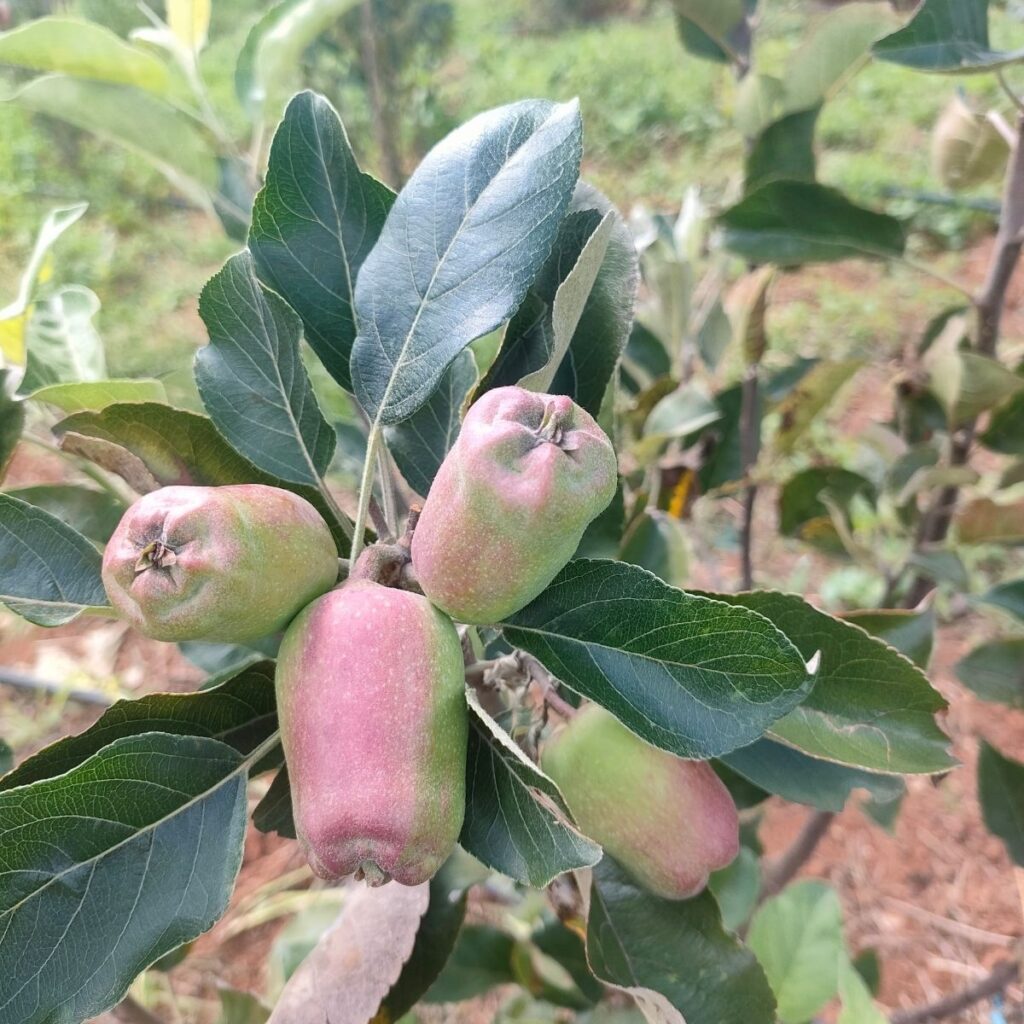
The Anna apple is one of the low-chill varieties successfully grown in Kenya, particularly in areas with mild climates. It produces medium to large, red-blushed fruits with a sweet flavour. Anna apples perform well in Kenya’s central highlands and are often used as a pollinator companion for other varieties.
Dorsett Golden
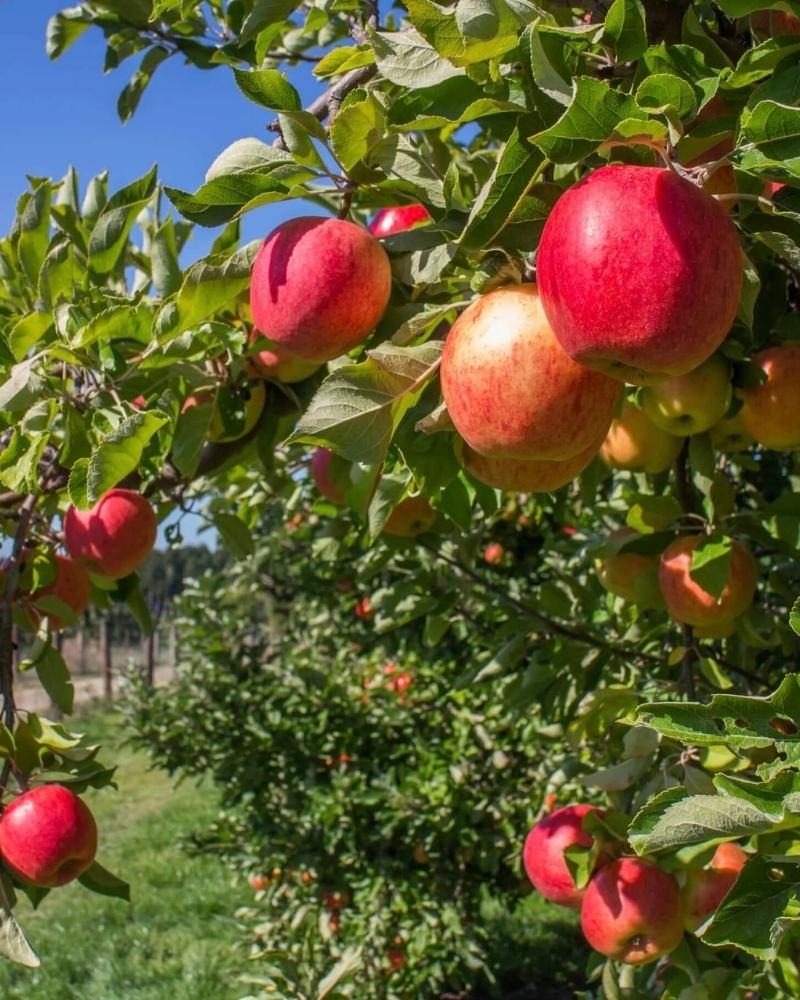
Dorsett Golden is another low-chill variety that adapts well to tropical and subtropical highland conditions similar to Kenya. It produces yellow-gold fruits with a mild, sweet taste. This variety is often planted alongside Wambugu or Anna apples for cross-pollination purposes.
Fuji and Gala Apples
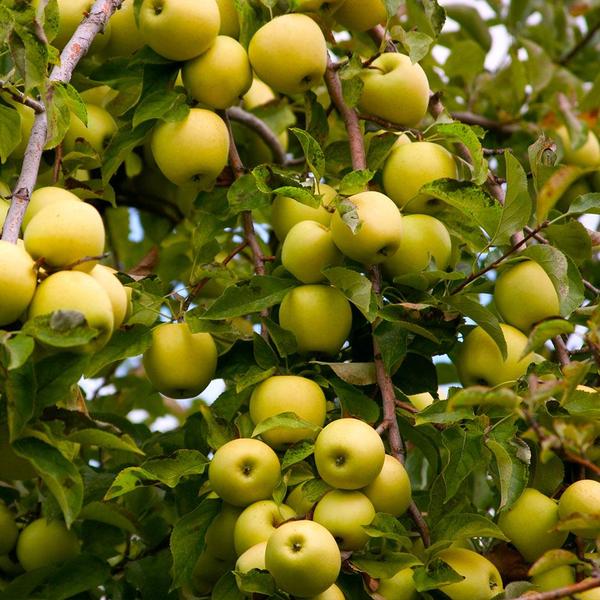
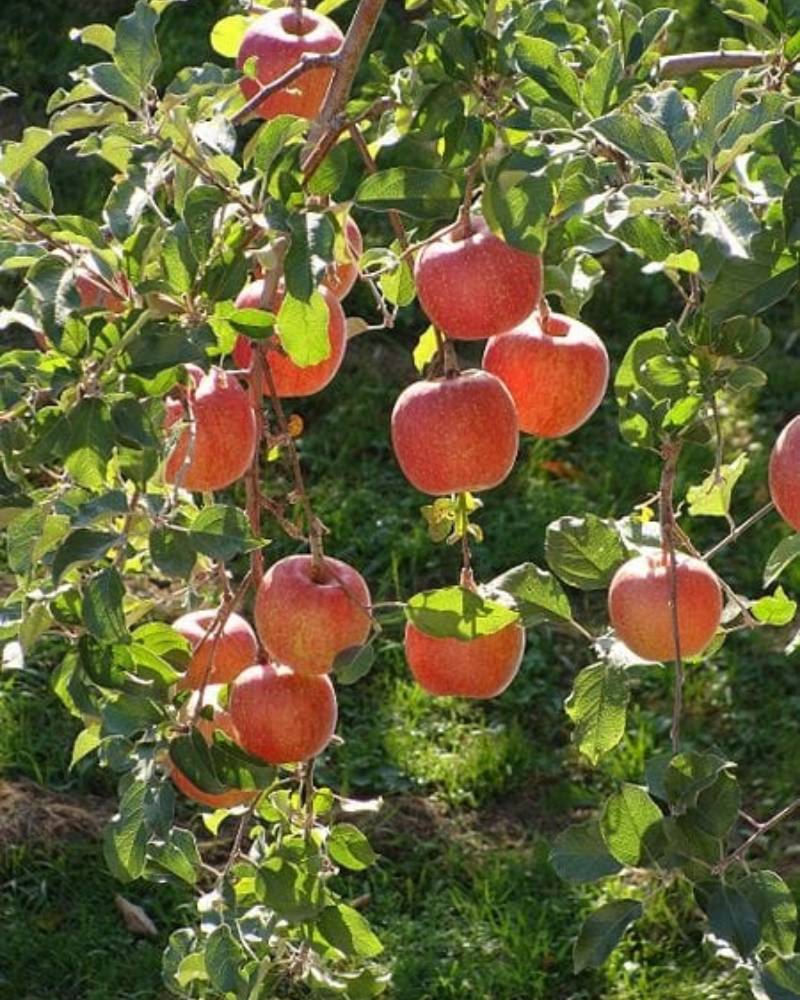
Fuji and Gala apples are internationally popular high-value varieties that some Kenyan farmers have trialled in the cooler highland areas above 2,000 metres elevation. While they demand more specific climate conditions than Wambugu apples, they fetch premium prices in upmarket Kenyan retail outlets and export markets.
Climatic and Soil Requirements for Apple Farming in Kenya
Understanding the climatic and soil requirements is fundamental to successful apple growing in Kenya. Get these right, and your orchard will be productive for decades.
Climate Requirements
- Altitude: 1,500 to 2,500 metres above sea level is ideal. The key apple growing regions include parts of Nyeri, Meru, Nyandarua, Murang’a, Kiambu, and Nakuru.
- Temperature: Optimal daytime temperatures range from 15°C to 25°C. Wambugu apples tolerate warmer conditions better than traditional varieties.
- Chilling Hours: Apples typically need a period of cold to break dormancy and trigger flowering. Wambugu apples have significantly reduced chilling requirements, making them suitable for Kenya’s climate.
- Rainfall: Annual rainfall of 800mm to 1,200mm is ideal. Supplemental irrigation is critical during dry seasons.
- Sunlight: Apple trees require full sun exposure — at least 6 to 8 hours of direct sunlight daily for optimal fruit development.
Soil Requirements
- Soil Type: Deep, well-drained loam or sandy loam soils are best. They can do well in a variety of soil types in Kenya with the right soil conservation measures, like mulching, cover cropping, and compost application, among others.
- Soil pH: Apple trees generally thrive in slightly acidic soils with a pH of 6.0 to 7.0.
- Drainage: Poor drainage is the number one cause of apple tree death in Kenya. Avoid low-lying or water-logged areas.
- Organic Matter: Rich organic matter improves soil structure, water retention, nutrient availability, and soil biology. Incorporate compost or well-decomposed manure during land preparation.
Irrigation Requirements for Apple Farming in Kenya
Water management is critical to successful apple farming in Kenya. Apple trees are sensitive to both water stress and waterlogging, so a balanced irrigation strategy is essential.
Water Needs by Growth Stage
- Young trees (Year 1–2): Require frequent, light irrigation to establish root systems. Water 2 to 3 times per week during dry spells.
- Flowering stage: Maintain consistent soil moisture to support fruit set. Water stress during flowering causes flower drop and poor fruit set.
- Fruit development: Adequate water is critical during fruit enlargement. Inconsistent irrigation causes fruit cracking and poor quality.
- Pre-harvest: Reduce irrigation 2 to 3 weeks before harvest to improve fruit sweetness and storage quality.
Recommended Irrigation Methods
- Drip irrigation: The most efficient method for apple orchards in Kenya. Delivers water directly to the root zone, minimises foliar disease, and saves water by up to 50% compared to overhead irrigation.
- Furrow irrigation: Suitable for flat terrain with a reliable water source. Less efficient than drip, but lower installation costs.
- Overhead sprinklers: Suitable for large orchards, but increases the risk of fungal diseases. Avoid wetting the foliage during the evening.
Considerations for Starting Apple Farming in Kenya
Before you plant a single tree, careful planning will determine whether your apple farming venture succeeds or struggles. Here are the key considerations:
Choosing the Right Location
Location is arguably the most important factor in apple farming in Kenya. Consider the following when selecting your site:
- Elevation: Target areas between 1,500 and 2,500 metres above sea level for the best results with Wambugu apples.
- Slope: Gently sloping land promotes natural drainage. Avoid steep slopes that cause soil erosion, and flat areas prone to waterlogging.
- Wind exposure: Apple trees are susceptible to wind damage during flowering and fruiting. Choose sites with natural windbreaks, such as established tree lines or install artificial windbreaks.
- Proximity to water: Reliable access to irrigation water is essential, especially during the dry season.
Land Preparation
Proper land preparation creates the foundation for a productive apple orchard. Follow these steps for best results:
- Clear and plough: Remove existing vegetation, stumps, and debris. Deep plough or subsoil the land to break hardpans that restrict root penetration. Alternatively, like in my case, if you are planting in an area with grass established, just make the required holes and plant the apples. The grass acts as an excellent cover crop. However, you have to ensure the grass does not grow around the root zone, and cut it to keep it short.
- Hole preparation: Dig planting holes of 60cm (2ft) x 60cm x 60cm. Separate the topsoil and subsoil. Mix the topsoil with 20 to 30kg of well-decomposed compost or farmyard manure and refill the hole 2 to 3 weeks before planting.
- Planting layout: Space Wambugu apple trees 2 metres apart in rows spaced 2 metres apart. This supports air circulation, pest management, and mechanisation.
Quality Seedlings
The quality of your apple seedlings directly determines your orchard’s productivity. Poor-quality or fake seedlings remain one of the biggest threats to apple growing in Kenya. Always source your Wambugu apple seedlings from reputable, certified nurseries.
What to look for in quality apple seedlings:
- Certified grafted seedlings from known rootstock — grafting ensures true-to-type variety and uniform production
- Healthy stem with no signs of disease, cankers, or pest damage
- Well-developed root system — avoid pot-bound or poorly rooted seedlings
- Appropriate height (40 to 60cm) at the time of purchase
- Sourced from a nursery that can provide variety certification and origin documentation
Apple Cultivation Practices
Once your orchard is established, ongoing cultivation practices determine your yield, fruit quality, and long-term tree health. Mastering these practices is at the heart of a successful apple growing guide.
Tipping
Tipping is the practice of removing the growing tip of young apple shoots to encourage branching and the development of a productive canopy structure. In Kenya’s tropical climate, apple trees tend to grow vigorously with long, whippy shoots. Without tipping, trees become tall and unproductive.
How to tip apple trees:
- Begin tipping when the main stem reaches 60 to 80cm in height
- Remove the top 10 to 15cm of the growing tip using clean, sharp secateurs or pinch by hand for fresh growing tips
- Tipping stimulates the growth of lateral shoots, which become the productive fruiting framework
- Repeat tipping on lateral shoots when they reach 40 to 50cm to build a well-branched canopy
- Tipping is most effective during the active growing season
Pruning
Pruning is one of the most important — and most misunderstood — apple cultivation practices. Proper pruning maintains tree shape, promotes light penetration, improves air circulation, and removes diseased or unproductive wood. Neglected trees become overcrowded, disease-prone, and produce small, poor-quality fruit.
Pruning principles for apple farming in Kenya:
- Timing: Prune immediately after harvest when tree activity is lowest
- Remove shoots growing below the graft union throughout the growing season
- Remove dead, diseased, and crossing branches first — these are always removed regardless of other considerations
- Always use clean, sharp tools and disinfect blades between trees to prevent disease spread
Scouting for Pests and Diseases
Regular and systematic scouting is the foundation of integrated pest management (IPM) in apple orchards. Early detection prevents small problems from becoming catastrophic outbreaks. Experienced apple farmers walk their orchards at least once per week.
What to look for during scouting:
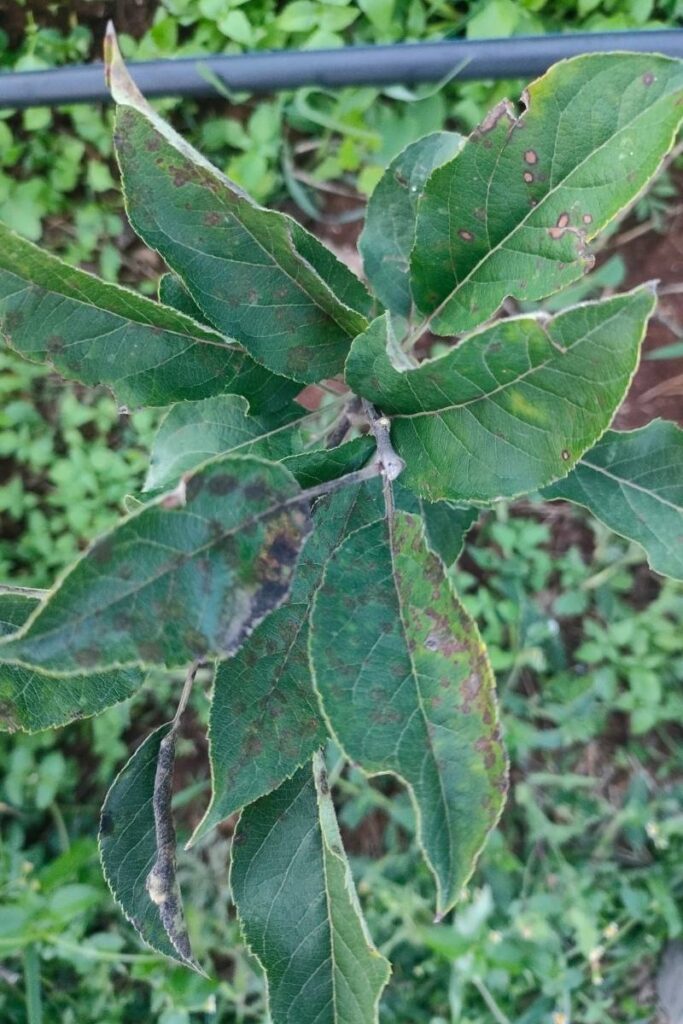
- Leaf discolouration, spots, or unusual markings that may indicate fungal or bacterial infection
- Curled, distorted, or sticky leaves — signs of aphid or mite infestation
- Fruit damage, including spots or entry holes from codling moth or other borers
- Unusual shoot or twig dieback that may indicate fire blight or canker disease
- Presence of beneficial insects such as predatory wasps and ladybirds — avoid unnecessary pesticide applications that harm these allies
- Record all observations and apply interventions promptly
Pest and Disease Control in Apple Farming
Pest and disease control is one of the most critical operational areas in apple farming in Kenya. A well-managed spray (preferably organic) programme, combined with good cultural practices, keeps your orchard healthy and your fruit marketable.
Common Pests in Kenyan Apple Orchards
- Aphids: Produce white, woolly masses on bark, shoots, and roots. Causes stunted growth and entry points for disease. Control with targeted insecticide applications and by encouraging natural predators.
- Mites (Red Spider Mite): Causes bronzing and premature leaf drop in hot, dry conditions.
- Fruit Fly (Bactrocera species): Particularly damaging to ripe fruit.
Common Diseases in Apple Orchards in Kenya
- Apple Scab (Venturia inaequalis): The most economically significant fungal disease of apples worldwide. Causes dark, scabby lesions on leaves and fruit. Apply protective fungicide sprays from bud break through the primary infection period.
- Fire Blight (Erwinia amylovora): A bacterial disease that causes shoot tips to bend into a characteristic shepherd’s crook shape and die rapidly. Remove and destroy infected tissue at least 30cm below visible symptoms. Disinfect tools between cuts.
- Powdery Mildew (Podosphaera leucotricha): Causes white, powdery growth on young leaves, shoots, and flower buds. Prune out infected shoots and apply sulphur-based fungicides.
- Crown and Root Rot (Phytophthora species): Associated with waterlogged soils. Ensure excellent drainage and avoid overwatering. There is no effective chemical cure once established — prevention through soil management is key.
- Apple Canker (Neonectria ditissima): Causes sunken, discoloured patches on bark, leading to dieback. Prune out infected branches and apply wound sealants.
Integrated Pest Management (IPM) Approach:
Successful apple farming in Kenya relies on an IPM approach that combines cultural practices (pruning, orchard sanitation, proper spacing), biological control (encouraging natural enemies), and organic pesticides for targeted pests and diseases.
Columbia Farm Kenya provides on-farm training on pest and disease organic control as part of our agroecological farming approach. Reach out through columbiafarmkenya.com/#contact to book a farm visit.
Pollination and Intercropping in Apple Orchards
Pollination
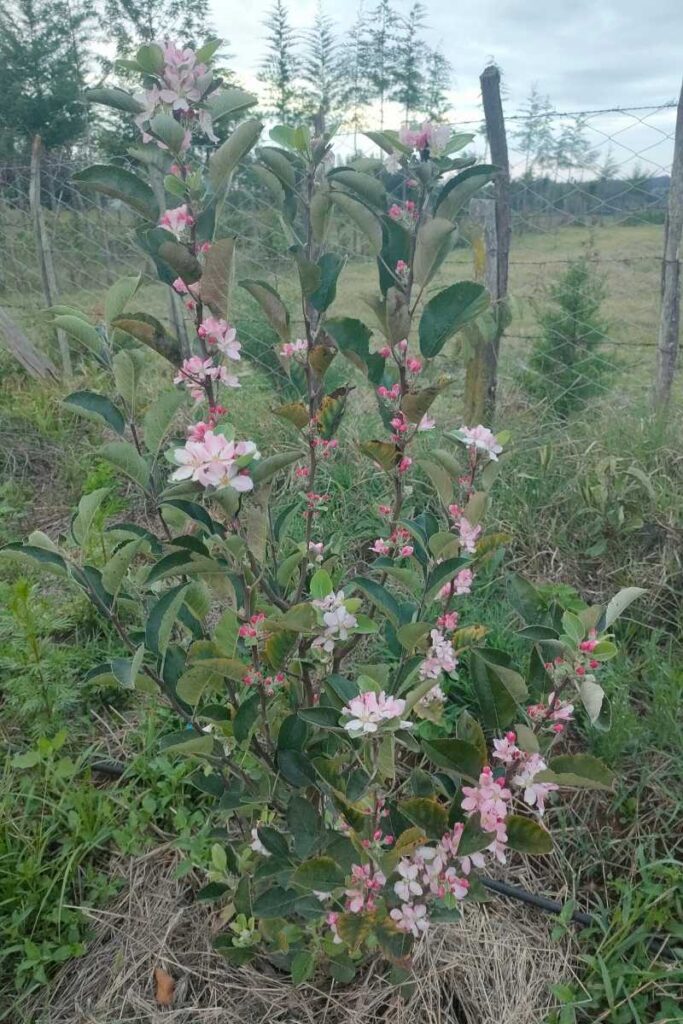
Apple trees are largely self-incompatible — they require pollen from a different but compatible variety to produce fruit. Poor pollination is one of the leading causes of low yields in apple orchards, yet it is easily prevented with good planning.
Pollination strategies for Wambugu apple orchards in Kenya:
- Plant at least two compatible apple varieties — Wambugu apples pollinate well with Anna or Dorsett Golden varieties
- Plant pollinator varieties within 30 to 50 metres of your main crop rows for effective cross-pollination
- Avoid applying insecticides during flowering, as this kills pollinators and severely reduces fruit set
- Maintain flowering ground covers or wildflower strips between rows to support resident pollinator populations
Intercropping
Strategic intercropping offers Kenyan apple farmers an opportunity to generate income from the orchard during the establishment years before the apple trees begin producing commercially. Well-chosen intercrops can also improve soil health, suppress weeds, and attract beneficial insects. Legumes (beans, peas) are recommended as they fix atmospheric nitrogen and improve soil fertility between apple tree rows
Important: Avoid intercropping with tall, aggressive crops such as bananas or cassava that compete significantly with apple trees for light and nutrients, particularly in the critical first two years of orchard establishment.
How Long Before the First Harvest?
One of the most common questions from farmers exploring apple farming in Kenya is: “When will I get my first harvest?” The answer depends on the variety planted, the quality of seedlings, farm management, and prevailing climatic conditions.
Wambugu Apples Timeline
- Months 1–6: Tree establishment phase. Focus on root development, canopy building through tipping, and irrigation management.
- Months 6–12: Vegetative growth accelerates. Continue tipping and begin formative pruning to develop the desired tree shape.
- Year 1–2: Some trees may produce initial flowers. It is recommended to remove these early flowers in the first year to direct energy into tree development rather than fruit production.
- Year 2–3: First commercial harvest can be expected. Well-managed trees with certified Wambugu apple seedlings typically begin producing marketable fruit from year 2.
- Year 4 onwards: Full commercial production. A mature Wambugu apple tree in Kenya can produce 30 to 50kg of fruit per year or more under optimum management.
Factors That Affect Time to Harvest
- Seedling quality: Grafted seedlings from certified rootstock produce earlier and more reliably than seedling-grown trees
- Farm management: Regular pruning, adequate irrigation, and timely pest and disease control all accelerate productive maturity
- Soil fertility: Well-prepared, nutrient-rich soils support faster establishment and earlier fruiting
- Climate: Cooler highland locations with adequate chilling naturally trigger flowering. Warmer areas may require management techniques to induce dormancy and synchronise flowering.
Start Your Apple Farming Journey in Kenya Today
Apple farming in Kenya is a rewarding long-term investment when approached with the right knowledge, quality inputs, and expert support. The Wambugu apple variety has unlocked apple growing for thousands of Kenyan farmers who previously could not meet the chilling requirements of traditional apple varieties, and the market demand for fresh, locally grown apples continues to grow.
Visit us at columbiafarmkenya.com to learn more, or request a farm visit.
Your successful apple orchard starts with the right foundation — and we are here to help you build it.
